The KDP Log Book Interior: Your Gateway to Simplified Self-Publishing
For aspiring authors, entrepreneurs, and creatives looking to publish their own books, Amazon's Kindle Direct Publishing (KDP) platform has opened doors that were once firmly shut. Yet, the technical aspects of book creation—particularly designing a professional interior layout—can be a significant hurdle. This is where the concept of a pre-designed, editable KDP interior, like the Cupid Lined Log Book template, becomes not just a tool, but a strategic asset. It represents a streamlined approach to turning an idea into a physical product, blending creativity with practical business sense.
What Exactly is a KDP Book Interior?
At its core, a book interior is everything between the covers: the pages, their layout, the typography, and the graphical design. For a log book, journal, or notebook, this primarily involves the page structure—lines, grids, sections, or prompts that guide the user's writing. In the traditional publishing world, designing this interior requires expertise in graphic design software and a deep understanding of print specifications. For the independent publisher on KDP, this process must be simplified without sacrificing quality. A KDP-ready interior is a pre-made template file that meets all of Amazon's technical requirements for print books, allowing you to focus on content and branding rather than complex design work.
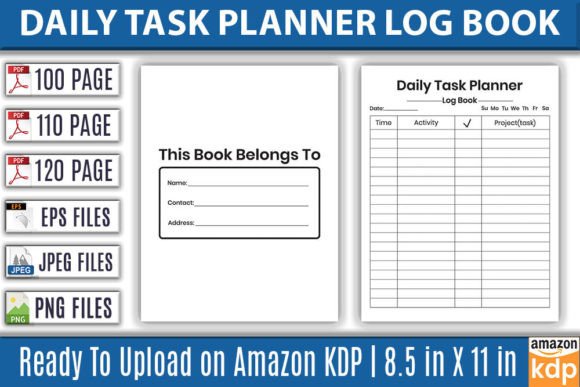
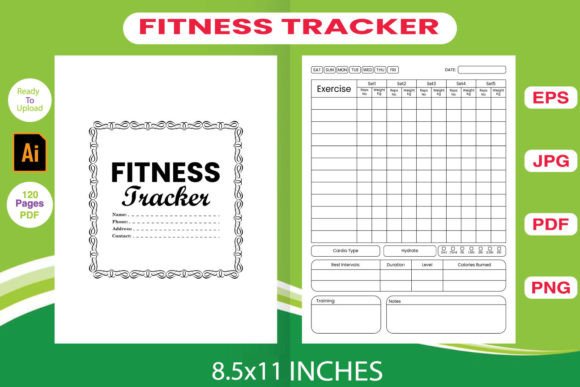
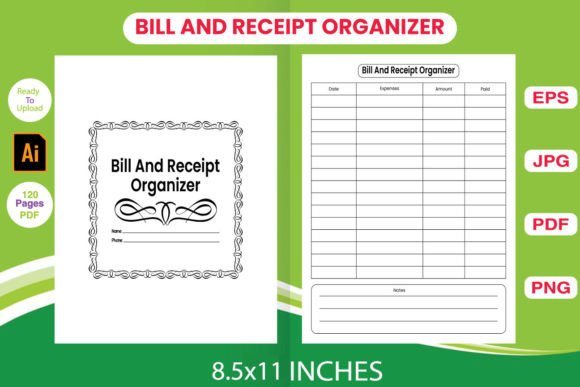
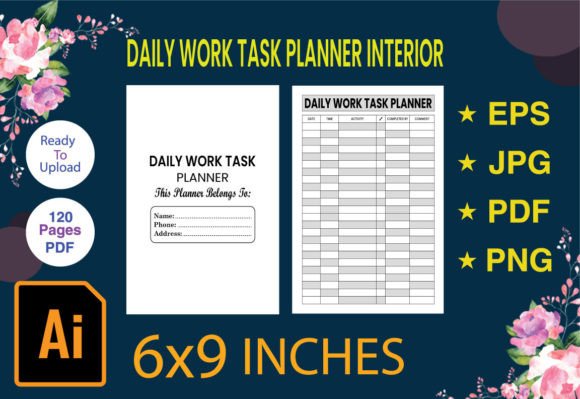
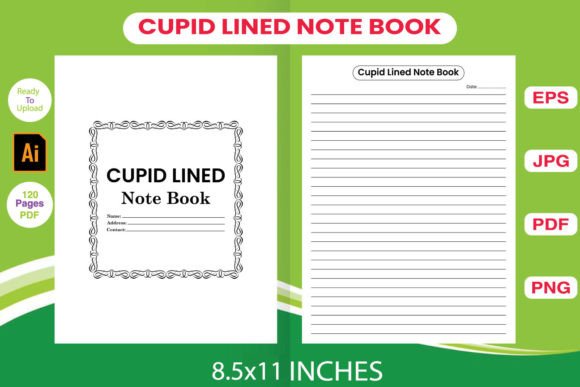
The "Cupid Lined Log Book KDP Interior" is a specific example of this solution. It is not a finished book, but rather the skeleton and skin of one. It provides 100, 110, or 120 pages of simple, clean lined pages, formatted to the exact trim size (8.5" x 11") and quality (300 DPI) that KDP mandates for professional print results. Its "No Bleed" setting means the design is safe for books without full-color background images extending to the edge of the page—perfect for standard log books. The true value, however, lies in its adaptability.
Beyond a Simple Template: The Power of Editable Files
Many templates offer only a static PDF, locking you into a single use. The modern KDP interior kit, however, often includes the original source files. As highlighted in features like "vector editable resizable PDF" and "Editable Original Files EPS," this means the design is not fixed. Vector graphics are based on mathematical paths rather than pixels, allowing you to resize the entire interior to a different book dimension (like 6" x 9" or A5) without any loss in quality or clarity. This is crucial for expanding your product line on KDP.
Supported by software like Adobe Illustrator, these files let you customize colors, add your own logo or branding on the pages, modify headers or footers, and essentially own the design. The inclusion of transparent PNGs and high-resolution JPGs further provides flexibility for marketing or creating derivative digital products. This transforms the template from a one-time purchase into a reusable business tool.
The Significance in Today's Self-Publishing Ecosystem
Self-publishing has evolved from a niche pursuit into a vibrant segment of the publishing industry. It empowers individuals to share knowledge, stories, and tools directly with a global audience. However, the competition is fierce. A book's interior quality directly impacts the reader's experience and, consequently, reviews and sales. A poorly formatted journal with misaligned lines or low-resolution graphics will undermine customer trust, regardless of a great cover.
A professionally tested KDP interior, like the Cupid example which notes it's "100 Tested on Amazon KDP," addresses this critical quality control step. It ensures the files won't trigger KDP's review errors for specification violations and that the final printed product will look crisp and professional. This reliability is invaluable. It allows you to operate with confidence, scaling your business by producing multiple titles without reinventing the technical process for each one.
Practical Relevance: From Side Hustle to Sustainable Business
Let's explore how this fits into practical workflows. Imagine you are a life coach wanting to create a companion "Goal Achievement Log Book" for your clients. Instead of hiring a designer or struggling with layout software, you purchase an editable lined log book interior. You resize it to your preferred size, perhaps add your company's motto subtly at the top of each page using the EPS file, and then upload the final PDF to KDP. Within days, a physical product is available for sale worldwide, complementing your coaching services.
Another example is an educator creating specialized notebooks for students—a "Science Experiment Log" or a "Creative Writing Journal." The lined pages provide the fundamental structure, while the editable nature allows for adding specific instructional text or section dividers. This bridges the gap between a generic product and a targeted, valuable tool. For the entrepreneur, this means you can rapidly test market niches. You could publish a lined book for gardeners, programmers, or travelers, using the same reliable interior base but with different covers and titles, thereby "growing fastly your KDP Low/No content book publishing business," as the initial description suggests.
Clarifying Common Misunderstandings
A prevalent assumption is that using a pre-made interior equates to producing "low-content" books of little value. This is a misunderstanding of both the product and the market. A log book's value isn't solely in its text; it's in its function as a tool for organization, reflection, and productivity. A well-designed, high-quality interior enhances that function. The publisher's role is to identify a specific audience's need and pair that need with the appropriate tool (the log book) via targeted cover design, title, and description. The interior is the engine; the branding and marketing are the steering wheel.
Another misconception is that this process is purely automated and requires no skill. While it simplifies the technical barrier, success still demands market research, understanding KDP's rules, basic graphic skills for customization, and savvy marketing. The interior file is a component, not an autopilot.
Building a Broader Understanding: The Tool for Modern Creativity
In a digital age, the appeal of analog tools like physical log books remains strong. They offer a tactile, focused space for thought away from screens. Providing these tools through self-publishing is a form of enabling that creativity and organization for others. The KDP interior template sits at the intersection of technology and tradition. It uses digital design technology (vector EPS files, 300 DPI PDFs) to efficiently create a product that serves an analog, human need.
This model also reflects broader trends in micro-entrepreneurship and the democratization of production. Just as platforms like Etsy allow artisans to sell globally, KDP allows anyone with a good idea for a book to become a publisher. Ready-to-use, tested interiors lower the entry cost, not just in money but in time and technical anxiety, making this democratization more accessible.
The Final Step: From File to Finished Product
The journey culminates with the "READY TO UPLOAD" interior file. After any final customizations, the publisher uploads the PDF to their KDP paperback listing alongside a cover design. Amazon's system prints and ships the book on-demand to customers. There are no inventory costs, no upfront print runs. This lean model means a single, well-made interior file can generate sales for years, serving as a foundational asset in your publishing toolkit.
Whether your goal is to build a business selling various journals, create a perfect companion product for your primary profession, or simply bring a single book idea to life, understanding and utilizing a professional KDP interior is a pivotal step. It shifts the focus from overcoming technical obstacles to engaging in creative and entrepreneurial problem-solving: asking what your audience needs and delivering it through a beautifully simple, perfectly formatted page.